

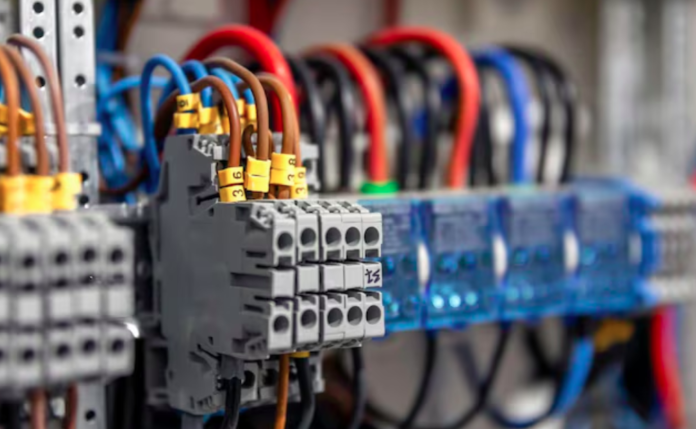
The operational integrity of an industrial facility depends heavily on the reliability of its electrical infrastructure. Unlike residential setups, industrial systems manage immense power loads and complex machinery that require specialized oversight.
Ensuring these systems remain efficient and safe involves a combination of precision planning, expert installation, and consistent upkeep. By understanding the specific services required, facility managers can prevent costly downtime and ensure a safe working environment for all personnel.
Strategic Precision with Industrial Electrical Estimation Services
Successful industrial projects begin long before the first wire is pulled. Utilizing professional industrial electrical estimation services is a critical step for any facility expansion or system overhaul.
These services provide a detailed analysis of material costs, labor hours, and technical requirements needed to complete a project within budget.
Accurate estimation prevents financial overruns and ensures that the electrical capacity meets the future demands of the machinery, allowing for scalable growth and resource optimization without unexpected fiscal surprises.
Reliable Execution by Professional Industrial Electrical Contractors
Once a project moves from the planning phase to implementation, the expertise of seasoned industrial electrical contractors becomes indispensable.
These professionals are trained to handle high-voltage systems, intricate control panels, and the rigorous safety standards inherent in factory environments.
Beyond simple installation, they manage the integration of complex power distribution networks and ensure that every component complies with international electrical codes. Their involvement guarantees that the physical infrastructure is robust enough to handle continuous heavy-duty operations.
Preventative Maintenance and Thermal Imaging
To avoid catastrophic equipment failure, industrial facilities must implement a rigorous preventative maintenance schedule. One of the most effective tools in this domain is infrared thermal imaging.
This non-invasive service allows technicians to identify hot spots in circuit breakers and transformers that are invisible to the naked eye.
By detecting loose connections or overloaded circuits early, companies can schedule repairs during planned shutdowns rather than reacting to a sudden and expensive system collapse.
Power Quality Analysis and Load Testing
Industrial machinery is sensitive to fluctuations in power quality, such as voltage sags, surges, and harmonic distortions. Regular power quality analysis helps in identifying these irregularities which can cause motors to overheat or electronic controllers to malfunction.
In conjunction with load testing, these services ensure that the electrical system can handle peak demands without tripping breakers. Improving power quality not only extends the lifespan of expensive equipment but also reduces energy waste, leading to lower operational costs.
Industrial Automation and Control Systems
Modern industrial environments increasingly rely on automation to maintain a competitive edge. Specialized electrical services for Programmable Logic Controllers and Human-Machine Interfaces are essential for keeping production lines synchronized.
Expert technicians provide programming, troubleshooting, and hardware upgrades to ensure that the communication between sensors and machinery remains flawless.
Proper maintenance of these control systems minimizes human error and maximizes the throughput of the manufacturing process.
Emergency Repair and Disaster Recovery
Despite the best preventative measures, unforeseen electrical failures can still occur due to environmental factors or component aging. Having a dedicated team available for 24/7 emergency repairs is vital for minimizing the impact of power outages.
These services include rapid fault finding, temporary power restoration, and permanent repairs to critical infrastructure.
A well-defined disaster recovery plan ensures that even in the event of a major electrical fault, the facility can return to full operational capacity in the shortest time possible.
