

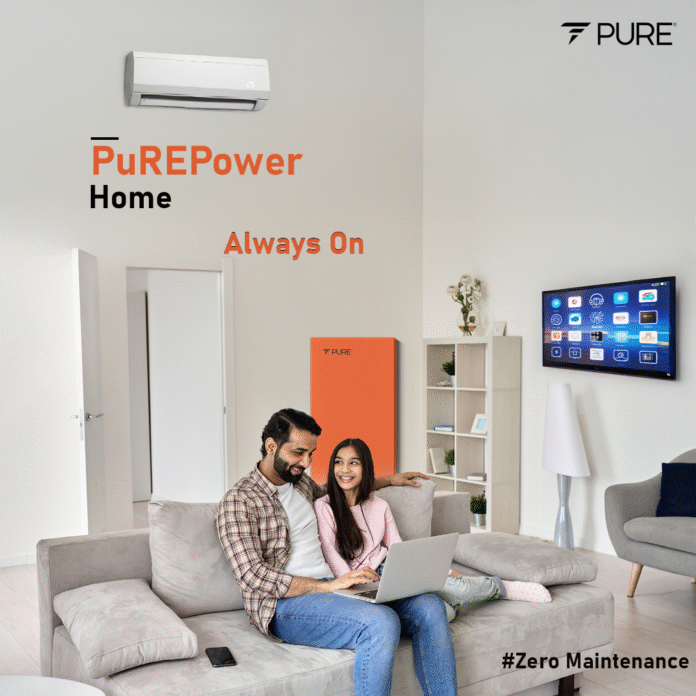
So the other day, my neighbor’s inverter decided to give up right in the middle of an IPL match. Imagine the chaos. Half the lane was running on generators that sounded like mini airplanes, and the other half just gave up and went to sleep early. That’s when I started thinking—why are power backup solutions for home still such a mystery in 2025? Like, we have AI that writes essays, but we can’t keep our ceiling fan running without a fight during power cuts.
Anyway, if you’ve been googlingpower backup solutions for home because you’re tired of sweating through load shedding, same here. Let’s just talk about this the way normal people do, not like those overly polished blogs that sound like product manuals.
Why power cuts still happen (even though we live in the “smart” age)
People keep saying India is becoming a “digital powerhouse.” Sure, but the power still goes out when it rains too hard. Even big cities like Kolkata and Delhi see random outages. My uncle in Gurgaon literally has a backup for his backup. The electricity board blames demand surges, old transformers, maintenance—you name it. But bottom line, if you don’t have a proper power backup setup, you’re gonna suffer.
And honestly, these outages are not just about comfort anymore. We’re all running work-from-home setups, charging multiple devices, keeping routers on—all things that collapse the moment there’s a blackout. I read somewhere that during last year’s summer, peak electricity demand in India hit over 240 GW, a record high. So yeah, the grid is under stress.
The inverter story – good but not perfect
Most Indian homes go for the classic inverter + battery combo. It’s the OG power backup solution, and it does the job for lights, fans, maybe a TV. But let’s be real—it’s not going to run your AC or fridge for long. And the batteries? You have to replace them every 3-4 years if you’re lucky. My inverter battery died in just two years because, apparently, I didn’t “maintain” it properly. Who knew distilled water could make such a difference?
Still, inverters are the go-to because they’re affordable and easy to install. You can get a decent setup for under ₹20,000. But if you want a reliable solution that doesn’t die mid-call or mid-movie, you might want to look at newer tech.
Solar power backup – the future that’s already here
Now, solar isn’t new, but it’s finally becoming more accessible. People used to think it was super expensive, but brands like Pure Energy are changing that. Solar power backup systems are cleaner, quieter, and long-term cheaper once you get past the installation cost.
The coolest thing? You can actually store solar energy during the day and use it when the grid fails. It’s like having your own personal power bank for the whole house. Plus, when everyone else’s generator is making that awful noise, you’ll be chilling in silence.
There’s this neighbor of mine who set up a small solar backup for his home office. He bragged about not noticing power cuts anymore. At first, I thought he was exaggerating, but nope—he genuinely hasn’t had an issue for months. Meanwhile, I’m over here hunting for candles every other week.
Generators – still around but kind of old-school
Let’s be honest, generators feel like something from the early 2000s. Loud, smelly, and definitely not eco-friendly. Sure, they’re powerful enough to run heavy appliances, but for most homes, that’s overkill. Unless you’re living in an area with frequent long outages or running a small business from home, a generator doesn’t make much sense now. Also, fuel costs are ridiculous these days. You might as well pay your electricity bill twice instead.
Hybrid power backup – best of both worlds?
There’s this newer setup some people are trying: hybrid systems that mix solar + inverter power. Basically, you use solar when it’s sunny and switch to the grid or battery at night. It’s efficient and kind of smart. Some even connect it to home automation systems. Like imagine your backup automatically kicking in when there’s an outage—no switches, no drama.
This is the direction things are moving. People want smart solutions, not just a box in the corner that beeps when the power’s gone.
The hidden costs no one talks about
What no one tells you when buying a backup setup is the hidden stuff—battery maintenance, load management, wiring upgrades. You might think you’re paying ₹15,000, but then you need a better inverter, a stronger battery, new wiring, maybe even an electrician who doesn’t ghost you after the first visit.
And then there’s the efficiency issue. Every system loses some energy during conversion. You think your inverter runs for 5 hours, but after a few months it barely manages 3. That’s why brands like Pure Energy focus on more optimized systems that reduce energy loss and increase battery life.
Social media has opinions, too
If you scroll through Reddit or local Facebook groups, you’ll see how divided people are about backup options. Some swear by inverters because “cheap and easy,” while others brag about going fully solar. There’s even this one thread where someone claimed their entire 2BHK ran on solar backup for months—until the monsoon arrived. Then it was back to the old inverter.
Basically, the internet agrees on one thing: every solution has trade-offs. It’s like choosing between Android and iPhone—depends on what bugs you less.
So, what’s worth it?
If you just need to survive occasional cuts, a regular inverter setup is fine. But if you’re done with the constant maintenance and noise, solar-based power backup solutions for home are the smarter bet. They’re not only cleaner but also more stable in the long run. And honestly, investing in good power backup feels less like a luxury now and more like self-defense.
