

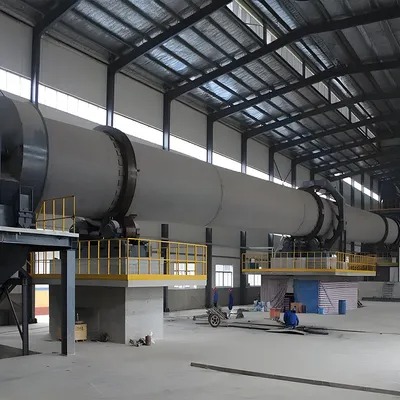
The part everyone ignores until the bill hits
I’ve spoken to a few plant managers over the past year or so and honestly, the pattern is always the same. Everything’s running fine, nobody’s touching the seals, and then one day — boom — there’s heat leakage, production slows down, and suddenly everyone’s asking “wait, how much does this actually cost to fix?” The kiln sealing system cost conversation almost always happens after the damage. Which is kind of like only buying a raincoat once you’re already soaked.
It’s not just one number — it’s layers
Here’s the thing that trips most people up. When you ask about the cost of a kiln sealing system, you’re not really asking about one thing. You’ve got the initial equipment cost, the installation, then there’s ongoing maintenance, and then there’s the replacement cycle. Each of those has its own price tag depending on the type of kiln, what material it’s processing, how hot it runs, and how long per day it’s operating.
Rotary kilns used in cement, lime, or alumina industries, for example, don’t all need the same seal design. A kiln doing 200-300 tonnes per day has very different sealing demands than a smaller one running intermittent batches. The operating temperature alone can swing the entire cost conversation because materials suited for 900°C environments cost significantly more than those rated for lower ranges.
So what’s the actual ballpark?
I’ll be honest here — and I know this is the part people want answered — there’s no clean single number to give. But from what I’ve gathered talking to people and doing some digging, basic leaf seal or spring-contact designs tend to be on the more affordable end, while pneumatically-inflated or labyrinth sealing systems with advanced materials can run considerably higher. Then there’s custom-fabricated solutions for unusual kiln geometries, and those? Yeah, that’s where you stop guessing and just go request a quote directly.
What a lot of people don’t account for is energy loss. A poorly sealed kiln bleeds heat like a leaky faucet. There’s actually some industry data suggesting that heat losses from kiln seals can account for anywhere between 3-8% of total energy consumption in some plants. Over months of operations, that’s a real number. So sometimes paying more upfront for a better seal system genuinely does save money — it’s just harder to see on a spreadsheet when you’re staring at the initial price.
Why online info on this is so vague
If you’ve spent any time trying to research this topic online, you’ve probably noticed that almost nobody gives specific price ranges for kiln sealing systems. And it’s not manufacturers being sneaky — it’s just genuinely complicated. The industry has this funny habit of being very technical in documentation but weirdly quiet on pricing, probably because so much of it is custom. Reddit threads and LinkedIn discussions on industrial equipment pricing basically turn into “it depends” conversations real fast.
There are posts in some manufacturing forums where people complain about getting wildly different quotes for “similar” systems — and when you dig into it, the kilns weren’t actually that similar at all. Diameter differences, the material being processed, rotation speed, whether its a direct-fired or indirect-fired kiln — all of that changes things.
Maintenance costs people forget to include
This is probably where I see the biggest mistake people make when budgeting. They calculate the seal cost, maybe the install, and then just… forget the rest. Seal wear is real. Most systems need inspection every few thousand hours. Some need adjustments, lubrication, or part replacement much sooner depending on operating conditions. If your kiln is running abrasive material like clinker or some mineral ores, the wear rate is going to be higher.
One small plant I read about in a trade publication had been running its kiln with a worn-out seal for almost a year before someone flagged the issue. By then, heat loss and contamination had already done a quiet number on their output quality. The repair bill was multiples of what a timely replacement would’ve been. Classic.
The smartest move is getting a proper quote early
I know this sounds like obvious advice but — actually talk to a specialist before you finalize your budget, not after. If you’re planning a new kiln installation or upgrading your existing system, getting a custom quote that factors in your specific setup is genuinely worth the time. Because trying to reverse-engineer a budget from generic online numbers is kind of like trying to guess the price of a custom suit by looking at off-the-rack prices. They’re related concepts but the numbers won’t match.
There’s also something to be said for working with manufacturers who actually understand rotary kiln sealing well — not just general industrial sealing. The specificity matters.
A few things worth knowing
One niche fact that surprised me when I first came across it — some newer sealing systems include built-in monitoring capabilities, sensors that can flag seal wear or pressure changes before they become critical failures. It’s not super common yet, but it’s being adopted in larger operations, and while it adds cost upfront, the predictive maintenance angle makes it interesting from a total-cost-of-ownership perspective.
Also, material choices in seals have changed a lot. Graphite, ceramic fiber, and metallic spring elements are all used in different configurations, and each has a different price point and lifespan. It’s not always the case that the most expensive material choice is the right one — sometimes it’s about matching the right material to the actual operating environment, which again, takes someone who knows kilns specifically.
