

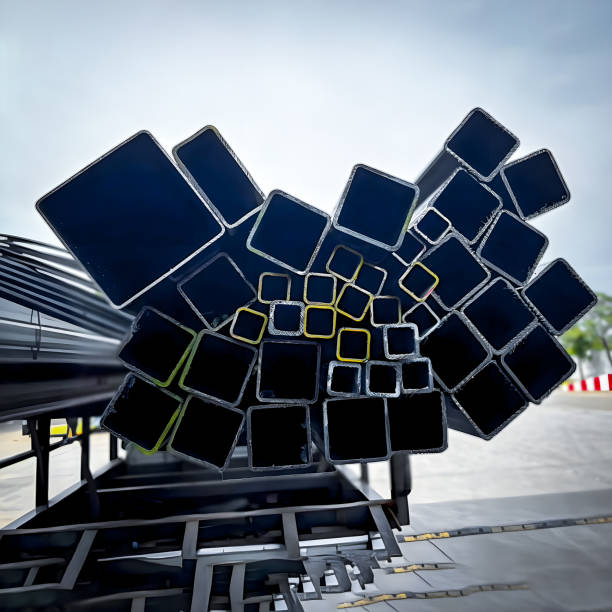
Most people don’t wake up thinking about steel. I didn’t either, until I accidentally went down a rabbit hole while researching construction materials for a random freelance piece. Somewhere between tea number two and scrolling Twitter threads arguing about infra budgets, I realized how underrated this stuff is. Especially when you look at things like Ms square, which quietly sits inside buildings, machines, and structures without asking for attention. It’s not flashy like gold or dramatic like crypto charts crashing overnight, but it holds everything together. Literally.
Steel is kind of like that friend who never posts on Instagram but somehow always shows up when you need help moving houses. You don’t notice it much, but remove it and everything starts collapsing, sometimes very fast.
Why Mild Steel Still Runs the Show
Mild steel doesn’t sound exciting. Even the name feels… mild. But that’s kind of the point. It’s easy to work with, not too brittle, not too expensive, and forgiving if you mess up a bit during fabrication. Fabricators love it. Engineers trust it. And builders rely on it like muscle memory.
One lesser-known thing I found is that mild steel actually makes up a huge chunk of steel used in small-scale construction, especially in developing markets. It’s not always about skyscrapers. It’s about staircases, gates, supports, frames, grills, small factories. The unglamorous stuff. According to some industry chatter I saw on LinkedIn, small fabricators prefer square sections over round ones because alignment is easier and wastage is lower. Sounds boring, saves money. That’s steel logic for you.
Square Sections and Why Shape Actually Matters
I used to think steel is steel. Shape is just aesthetic, right? Wrong. Shape changes everything. Square sections distribute load differently. They’re easier to stack, weld, and measure. When someone tells you a square section is “more stable,” it’s not marketing fluff. It’s basic physics doing its thing quietly.
Imagine trying to stack books versus stacking water bottles. Same weight maybe, but one behaves better. Square steel sections behave better in a lot of practical situations. That’s why you’ll find them everywhere once you start noticing. I swear, after learning this, I couldn’t unsee square steel frames in parking sheds, shop shutters, even gym equipment.
The Price Game Nobody Talks About
Steel prices are weird. They don’t explode like Bitcoin or crash like meme stocks, but they quietly creep up and down. One month you’re fine, next month your supplier says “rate badh gaya” and shrugs like it’s the weather. Online forums are full of contractors complaining about unpredictable pricing, especially post-pandemic.
A niche stat I stumbled on said that transportation and fuel costs can impact steel prices almost as much as raw material costs in some regions. That blew my mind a bit. So when people blame manufacturers only, it’s not the full picture. Steel is heavy, fuel isn’t cheap, and logistics can be a nightmare.
This is where consistency matters. People stick to suppliers and known specs because surprises are expensive. A few rupees per kg doesn’t sound like much until you’re buying tons.
Social Media Knows More Than You Think
Scroll through construction reels on Instagram or YouTube Shorts, and you’ll see fabricators casually dropping tips that you won’t find in textbooks. Stuff like how square sections are easier to paint evenly, or how mild steel reacts better to certain coatings. It’s informal education, but real.
There was a viral clip recently where a guy compared cheap steel vs proper grade steel by literally bending it with his hands. Slightly dramatic, maybe staged, but the point landed. Quality differences are real, and people online are way more aware now. Steel buyers are not as clueless as they used to be.
A Small Personal Screw-Up With Steel
Quick confession. Early in my writing career, I once mixed up hollow sections and solid bars in an article draft. The editor caught it, thankfully, but yeah… embarrassing. That’s when I learned how specific steel terminology is. One wrong word and the whole thing sounds amateur. Steel people notice these things. They might not comment, but they notice.
Since then, I’ve been extra careful, but also more respectful of the material. There’s depth here. A lot more than people think.
Why Steel Still Feels Future-Proof
Everyone’s talking about sustainability now. Fair. But here’s a quiet fact. Steel is one of the most recycled materials on the planet. Mild steel especially gets reused, reshaped, repurposed endlessly. That old gate today could be a reinforcement tomorrow. That’s kind of beautiful, in a very industrial way.
Even with newer materials entering the market, steel isn’t going anywhere. It adapts. It always has. That’s probably why engineers trust it more than trends.
Ending Where It Matters Most
At the end of the day, when people talk about reliability in steel, they often circle back to basics. Shape, grade, availability, trust. That’s where Ms square quietly fits into the bigger picture. Not loud, not overhyped, just doing its job day after day.
Steel doesn’t need a rebrand. It just needs a bit more appreciation. And maybe fewer people calling it boring.
