

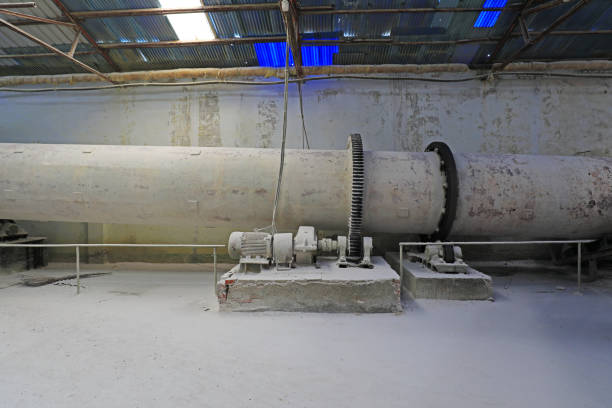
why small sealing parts end up having a big say in kiln performance
rotary kiln sealing ring is one of those components that almost feels invisible until you actually start paying attention. like i didn’t even know how important it was until a conversation with a plant technician who casually said, “if this thing fails, you’ll feel it in fuel bills first.” and that stuck with me because it sounded so simple but also kinda scary.
when you look at something like it doesn’t exactly scream importance. it’s not a massive machine or a shiny piece of tech. but it sits there, handling heat, dust, movement, and pressure like it’s just another normal day. and honestly, that’s impressive considering the conditions inside a kiln are… brutal is the only word i can think of.
i once saw a video (random youtube rabbit hole, don’t ask) where someone showed heat escaping from a poorly sealed kiln using thermal imaging. it looked like money literally floating away in hot air. dramatic maybe, but also kind of accurate.
kilns are unpredictable and seals have to deal with that mess
so here’s the thing that people outside the industry don’t always get. kilns are not perfectly aligned machines. they expand, they contract, sometimes slightly bend, and basically behave like they have their own mood swings. so any sealing system needs to handle that without breaking down every few months.
this is where come into play alongside the rotary kiln sealing ring. they’re designed to handle movement instead of resisting it completely. and that’s actually a smarter approach if you think about it.
it reminds me of those shock absorbers in bikes. if everything was rigid, one bump and you’re done. but with flexibility, things survive longer. same logic here, just applied in a much hotter and more expensive environment.
i’ve seen some discussions on industry forums where engineers mentioned that upgrading sealing systems reduced unexpected shutdowns. not completely eliminated, because nothing ever is perfect, but enough to make a difference in day-to-day operations. and honestly, even a small reduction in downtime feels like a win in these setups.
efficiency gains are slow but they sneak up on you
this is the part that’s kinda tricky because you don’t immediately notice it. it’s not like installing a new machine where output jumps overnight. sealing improvements are more like… slow savings.
when heat leaks out, the kiln needs more fuel to maintain the same temperature. simple physics, nothing fancy. but because it happens gradually, people often ignore it or assume it’s just normal variation.
i read somewhere, maybe not the most reliable source but still interesting, that poor sealing can lead to around 10 percent energy loss. even if that number is off by a bit, the idea still holds. it’s not small.
using with a proper rotary kiln sealing ring setup helps keep that heat inside where it actually does useful work. not leaking out into the atmosphere like free heating nobody asked for.
i tried explaining this to a friend once by comparing it to a cracked pressure cooker. it still cooks food, but takes longer and wastes gas. he laughed and said it’s a weird comparison… but also didn’t disagree.
dust control is another underrated benefit people don’t talk about enough
this part is honestly more visible than efficiency, but still weirdly ignored. dust leakage near kiln ends is often treated like “yeah that’s normal.” but it doesn’t have to be that messy.
i’ve seen older plants where there’s a constant thin layer of dust near the sealing area. not ideal for workers, not great for equipment either. better sealing setups, especially when combining rotary kiln sealing ring with can reduce that leakage noticeably.
and yeah, it also makes the whole setup look more controlled and less chaotic. which might sound like a small thing, but perception matters. if something looks clean and tight, people trust it more. simple human psychology.
long term durability is where it quietly proves its value
this is probably the biggest advantage, but also the least exciting to talk about. durability doesn’t sound cool, but it saves money in ways that are not always obvious.
replacing a seal isn’t just about buying a new part. there’s downtime, labor, planning, sometimes even production loss. so a system that lasts longer is doing a lot more than just sealing.
combined with a good rotary kiln sealing ring tend to handle wear better because they’re designed for these harsh conditions. not magic, but practical engineering done right.
i feel like industries sometimes chase big upgrades because they look impressive in reports. but small improvements like this are what actually keep operations stable day to day. it’s like maintaining your phone battery instead of constantly buying new phones. not flashy, but smarter.
it’s not something people brag about, but maybe they should a little
no one is going to walk into a meeting and proudly say “our sealing ring is amazing.” it just doesn’t sound exciting. but behind the scenes, it’s doing a lot of heavy lifting.
from keeping heat inside to reducing dust leakage and lowering maintenance stress, rotary kiln sealing ring plays a bigger role than it gets credit for. and paired with the right sealing systems, it becomes even more effective.
honestly, it feels like one of those backstage roles in a concert. nobody notices when everything is working fine, but the moment it fails, the whole show gets messy real quick.
so yeah, not revolutionary, not flashy, but definitely important in a very real, practical way. and sometimes that’s exactly what industries need more of… things that just work without creating drama.
