

A helical pile can encounter dramatically different levels of resistance during a single installation. Loose surface deposits may offer little opposition, while deeper layers of dense sand or stiff clay can require considerably greater rotational force. For contractors, understanding these changes is essential because they influence equipment performance, installation progress and the interpretation of foundation quality.
Torque measures the turning force applied to the pile during installation. Its magnitude depends on several interacting factors, including soil characteristics, shaft dimensions, helix geometry and penetration depth. Delivering sufficient torque while respecting the structural limitations of the pile requires equipment capable of controlled operation.
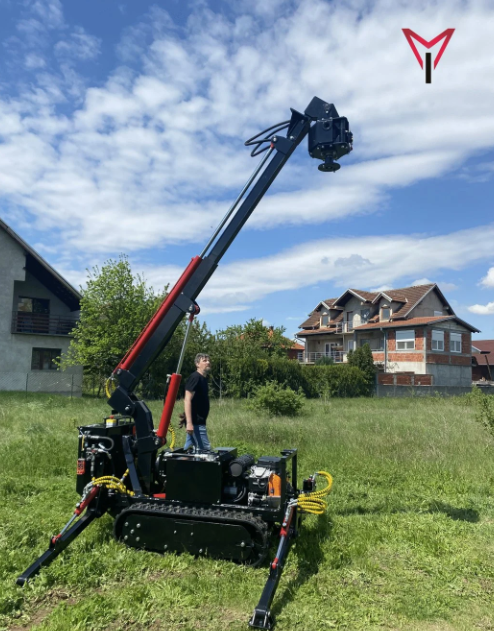
Manufacturers develop installation machinery with different torque capacities to accommodate these requirements. A helical pile driver machine from Iron Mechanics, for instance, is available in configurations offering different torque ratings. Selecting an appropriate configuration requires an understanding of both anticipated ground resistance and the engineering specifications of the foundation system.
The relationship between soil resistance and torque
As a helical pile rotates into the ground, its helical plates interact with the surrounding soil, producing resistance that the installation equipment must overcome. The shaft also contributes to rotational resistance through contact with the ground. Changes in soil composition and density can therefore produce noticeable variations in installation torque.
Dense granular soils generally resist penetration more strongly than loose deposits, although actual behaviour depends on moisture, particle characteristics and other geological factors. Cohesive soils present different challenges because their strength and consistency can vary considerably with depth.
A sudden increase in torque does not necessarily indicate that a suitable bearing layer has been reached. Buried construction debris, stones or other underground obstructions can produce similar readings. Operators must recognise these possibilities and avoid interpreting every increase in resistance as evidence of improved foundation performance.
Ground investigation data provide an essential reference for understanding torque variations during installation.
Matching equipment capacity to pile specifications
Maximum torque is an important equipment specification, but purchasing the most powerful available machine is not always justified. Each helical pile system has structural limitations determined by its shaft, connections and helical plates. Applying excessive rotational force can damage these components before the foundation reaches its intended depth.
Insufficient equipment capacity creates a different problem. Installation may stop prematurely because the drive cannot overcome soil resistance, leaving the pile short of its specified installation criteria.
Contractors should evaluate several parameters when selecting installation machinery:
- Anticipated installation torque based on ground investigation findings.
- Maximum permissible torque for the specified pile system.
- Shaft dimensions and the geometry of the helical plates.
- Hydraulic performance under sustained operating loads.
- Equipment stability and capacity to resist reaction forces.
- Accuracy and calibration of torque measurement systems.
A suitable machine should provide sufficient operating capacity without encouraging installation beyond the limits established by the pile manufacturer or foundation designer.
Using installation torque to assess pile capacity
One of the distinctive features of helical pile technology is the potential relationship between installation torque and axial load-bearing capacity. Under established engineering methods, an empirical torque correlation factor may be used to estimate the capacity of an installed pile.
This relationship has practical value because torque measurements can be collected during installation. Engineers can use these records alongside geotechnical information to evaluate whether the foundation meets specified acceptance criteria.
However, torque correlation factors are not universal. Their applicability depends on the pile configuration, soil conditions, loading direction and the engineering method adopted for the project. Factors established for one foundation system should not automatically be applied to another.
Installation torque also cannot independently establish every aspect of structural performance. Lateral resistance, settlement behaviour, connection strength and durability require separate consideration. Load testing may be necessary to verify capacity where specified by the engineer or applicable construction requirements.
Maintaining reliable installation records
Torque measurements become considerably more valuable when recorded systematically rather than observed only at the end of installation. A record showing how resistance changes with depth can help engineers investigate unexpected ground conditions and identify discrepancies between neighbouring foundation supports.
Measurement accuracy depends on the condition and calibration of the equipment. Where torque is estimated from hydraulic pressure, the relationship must be established for the particular drive system. Pressure readings alone do not provide a universally reliable measure of rotational force.
Installation records should also document pile identification, penetration depth, deviations from the specified alignment and any interruptions caused by underground obstructions. Maintaining this information creates a traceable account of the foundation work and supports subsequent technical inspections.
For professional contractors, torque management connects machinery selection with engineering quality control. The objective is not simply to generate enough force to install a pile. It is to complete the installation within defined technical limits, obtain meaningful performance data and provide engineers with reliable information for evaluating the finished foundation.
