

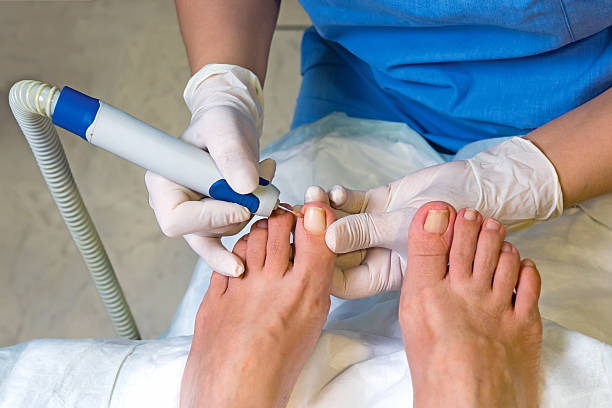
A recurring ingrown toenail often feels confusing and frustrating, especially after home remedies seem to work for a short time. Relief may last days or even weeks before the same toe becomes sore again. The reason recurrence happens so often is that many underlying causes are never fully corrected without proper care.
Cutting Toenails Too Short and Rounding the Edges Too Much
Trimming toenails aggressively creates conditions that encourage repeated ingrowth. Cutting nails below the edge of the toe removes the natural barrier that keeps skin from folding over the nail. Rounding the corners too much makes the nail edge easier for skin to wrap around as it grows back.
As the nail regrows, it often follows the path of least resistance, which is into soft tissue rather than straight outward. Pressure from shoes and socks then forces the nail deeper into the sidewall. Many patients who later visit an ingrown toenail doctor discover that years of well-meaning trimming habits caused the nail to retrain its growth direction.
Genetics Causing Naturally Curved or Thick Nails
Some people are born with nails that curve more sharply or grow thicker than average. These natural traits make the nail more likely to press into surrounding skin, even when trimmed carefully. Genetics also influence how wide the nail plate is compared to the toe itself.
Nails with strong curvature rarely change on their own. Home care may reduce discomfort temporarily, but the shape remains unchanged. This is why individuals with inherited nail traits often seek ingrown toenail removal near me after repeated flare-ups that never fully resolve.
Repeated Pressure from Sports or Long Hours on Your Feet
Activities that place constant stress on the toes can keep ingrown nails coming back. Running, soccer, construction work, and long shifts on hard floors repeatedly push the nail against the skin. Even supportive footwear cannot eliminate all pressure during these activities.
Over time, the nail responds by thickening or shifting its angle. The surrounding tissue becomes irritated and swollen, narrowing the space the nail needs to grow correctly. A Huntsville ingrown toenail doctor often sees recurring cases linked directly to daily physical demands rather than one-time injuries.
Nail Trauma That Changes How the Nail Grows Afterward
An impact injury can permanently alter nail growth. Dropping something heavy on the toe or striking it forcefully may damage the nail matrix beneath the surface. Once that area is disrupted, new nail growth may become uneven or distorted.
The nail might grow wider on one side or develop a sharper edge. These changes persist long after the initial injury heals. Many patients who eventually require ingrown toenail removal in Huntsville AL trace the problem back to an old incident that was never medically evaluated.
Poor Foot Hygiene Leading to Swelling Around the Nail
Foot hygiene affects more than appearance. Excess moisture, trapped bacteria, and skin buildup around the nail can lead to chronic swelling. Swollen skin presses against the nail edge, making even normal growth painful.
As swelling becomes persistent, the nail loses its ability to grow freely. Home soaking may calm symptoms briefly, but the underlying inflammation often returns. This cycle explains why some ingrown toenails never fully settle without help from an ingrown toenail removal doctor.
Improper Self-treatment That Worsens the Nail Edge
Self-treatment can unintentionally make the condition worse. Digging under the nail, placing cotton beneath the edge, or repeatedly trimming the same corner can irritate the tissue. Each attempt creates small wounds that swell during healing. Scar tissue may form along the nail fold, reducing flexibility and trapping the nail even more tightly. Instead of correcting growth, these methods often sharpen the nail edge. This pattern is common among patients seeking ingrown toenail removal after months of unsuccessful home care.
Foot Shape Issues That Force the Nail into the Sidewall
Foot structure plays a major role in recurring ingrown nails. Toes that naturally angle inward or overlap can push the nail into the sidewall with every step. Flat feet and abnormal gait patterns also shift pressure unevenly across the toes.
Because foot shape does not change on its own, the nail continues to experience mechanical stress. Trimming alone cannot overcome this constant force. An ingrown toenail doctor evaluates these structural factors when addressing repeated cases that fail to improve.
Ongoing Inflammation That Never Fully Heals Without Care
Chronic inflammation creates a self-sustaining cycle. Once the skin around the nail stays inflamed for long periods, it thickens and stiffens. This reduces the space available for the nail to grow outward.
Each flare-up leaves behind more tissue changes, increasing the chance of another episode. Infection may also develop if the skin barrier breaks repeatedly. At this stage, professional ingrown toenail removal is often needed to interrupt the cycle and allow proper healing. Persistent ingrown toenails rarely resolve by chance. The Foot Clinic takes a personalized approach to every case, focusing not only on relieving current pain but also on correcting the underlying issues that cause ingrown toenails to return.
