

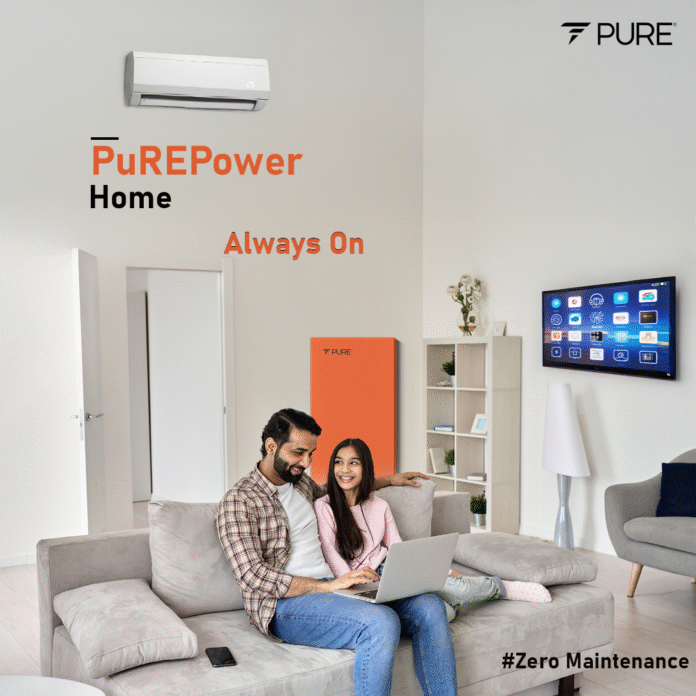
I don’t know about you, but I’ve lost count of how many times I’ve been halfway through a movie or cooking something (and by cooking, I mean trying not to burn dinner) when the power suddenly goes off. Total blackout. It’s honestly one of those moments where your brain goes from relaxed to “why do I even live here” in 2 seconds flat. That’s the moment you realize why power backup solutions for home aren’t just for big houses or offices anymore—they’ve become a basic necessity, like having Wi-Fi or chai in the morning.
So let’s talk about it in plain, human terms.
The Modern Power Cut Story
If you’ve grown up in India, you already have a nostalgic relationship with power cuts. Remember those days when the entire colony would sit outside with candles, hand fans, and kids running around pretending it was a camp? Cute back then. Not so much now. These days, everything from your fridge to your work laptop depends on electricity. A 30-minute outage feels like a mini apocalypse when your phone battery is already dying.
The funny part? Even with all the “smart city” talk, many urban areas still face frequent voltage drops and sudden cuts. And in smaller towns, it’s even worse—especially during monsoon or summer when the load spikes. That’s when people start Googling “best home inverter” or “solar backup solutions” in a mild panic.
Why You Need Power Backup Even If You Think You Don’t
I once had a friend who proudly said, “I never get power cuts here, so why spend extra?” Guess what happened during a local transformer issue? Two days of no power, and he ended up charging his phone in the car like a caveman. It’s not just about avoiding inconvenience—it’s about keeping your stuff safe. Power fluctuations can seriously mess with appliances. A sudden surge? Say goodbye to your expensive washing machine.
Also, if you work from home (like half of LinkedIn right now), a backup system isn’t optional. Imagine being on a Zoom call with your boss and—poof!—you vanish mid-sentence. Try explaining that one without sounding like you live in a jungle.
The Real Options Out There
When people think of backup, they usually imagine big, noisy generators or those bulky inverters stacked in the corner. But the game’s changed. Companies like Pure Energy are offering smarter, cleaner systems that actually look decent and don’t make your home feel like a workshop.
You’ve got solar hybrid systems that pull energy from the sun during the day and switch to stored battery power when needed. Pretty neat if you think about it—it’s like having a mini power plant on your rooftop. And the bonus? Your electricity bill drops, which feels like a win every month.
There are also lithium battery-based systems that charge super fast and last longer than traditional lead-acid ones. They’re lighter, more efficient, and don’t need much maintenance. No messy refilling or acid leakage nonsense. Just plug in, charge, and forget.
People Are Finally Talking About It Online
Scroll through Reddit or Twitter, and you’ll see a lot of frustrated posts about outages. Memes too, obviously. There’s always that one where someone’s sitting in total darkness with just the fridge light on—it’s too real. But the conversation has shifted lately. More people are actually comparing inverter brands, solar packages, and even portable battery kits.
There’s a small but growing trend of urban homeowners installing sleek solar systems because they not only want to avoid power cuts but also look eco-conscious. A bit of social flex, honestly. And who can blame them? It feels good to say your house runs partly on sunshine.
A Bit About Installation and Costs
Okay, let’s get real for a second. Setting up a proper home backup system isn’t dirt cheap. But it’s one of those things that pays you back over time. Think of it like investing in a fridge—you don’t buy it every year, but it quietly makes your life better every single day. Depending on what you pick, installation can take a few hours to a day. The cool part is, newer systems are modular—you can start small and add more capacity later when you have the budget.
Pure Energy, for example, offers solutions that fit various needs, from compact apartments to full-sized houses. You can check their power backup solutions for home to get an idea of what suits your lifestyle. They focus on sustainable tech, which is honestly the way forward. Nobody wants to depend on diesel generators anymore—it’s noisy, smelly, and kind of outdated.
The Future Looks… Bright (Literally)
India’s energy scene is shifting fast. The government’s been pushing for solar adoption, and people are realizing it’s not just a rich man’s toy anymore. Even smaller homes are getting rooftop panels now. And battery prices are slowly dropping thanks to better tech. In a few years, we might not even think of “power cuts” as a big deal—they’ll just be something that happens to people who didn’t upgrade.
Sometimes I wonder if we’ll look back at this era the same way we laugh about landline phones today. Like, “Wait, you used to lose electricity for hours?!” Yeah, maybe someday that’ll sound crazy.
The Final Thought (Not Really a Conclusion)
Having a solid backup setup isn’t about luxury—it’s peace of mind. Whether it’s an inverter, a solar hybrid, or a smart battery, it’s one of those upgrades that make your home feel future-ready. Personally, I think every house should come pre-equipped with one, like how cars come with airbags now. You don’t wait for an accident to buy those, right? Same logic.
