

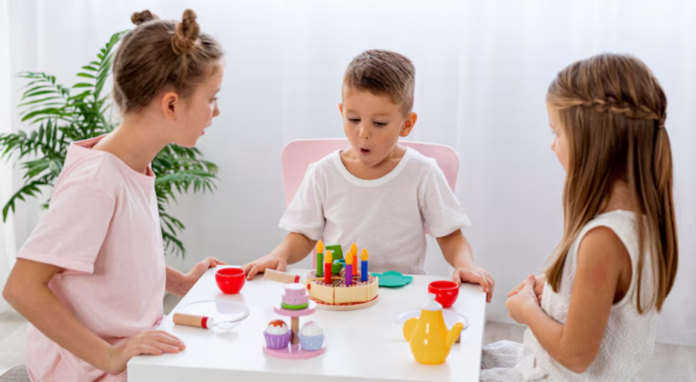
Early childhood is a very important stage in a child’s life because it builds the foundation for future learning and behavior. A structured and supportive learning environment can make a big difference in how children grow mentally, socially, and emotionally. The children Montessori program is designed to support this stage by encouraging independence, creativity, and natural curiosity. It focuses on allowing children to learn at their own pace while exploring activities that match their interests. This approach helps children develop confidence and essential life skills from an early age.
Understanding Montessori Approach in Early Childhood
The Montessori approach is based on the idea that children learn best through hands-on experiences. In a children Montessori program, classrooms are carefully prepared with materials that encourage exploration and self-learning. Instead of traditional teaching methods where teachers lead every activity, children are given the freedom to choose tasks and work on them independently. This helps them become active learners rather than passive listeners. The learning environment is calm, organized, and designed to match a child’s natural development stage, making learning more meaningful and enjoyable.
Role of Independence in Learning
One of the most important benefits of a Montessori environment is the development of independence. In a children Montessori program, children are encouraged to make simple decisions on their own, such as choosing activities or completing tasks without constant adult help. This builds confidence and teaches responsibility at an early age. When children are allowed to solve small problems by themselves, they start to believe in their abilities. This sense of independence also helps them adjust better in school and other social settings later in life.
Development of Cognitive and Motor Skills
Montessori activities are designed to improve both thinking abilities and physical coordination. A children Montessori program includes activities like stacking, sorting, drawing, and practical life exercises that strengthen hand-eye coordination. These tasks help children improve their concentration, memory, and problem-solving skills. As they work with different learning materials, they also begin to understand basic concepts such as numbers, shapes, and language. This balanced development of cognitive and motor skills supports overall brain growth during early childhood.
Social and Emotional Growth
Social and emotional development is another key part of Montessori education. In a children Montessori program, children learn to share materials, wait for their turn, and respect others in the classroom. They interact with peers in a natural and respectful environment, which helps them develop communication skills. Emotional growth is also supported as children learn to manage their feelings, handle small challenges, and build patience. This healthy social environment prepares them for positive relationships in the future.
Long-term Benefits of Montessori Learning
The benefits of Montessori education continue even after early childhood. Children who attend a children Montessori program often develop strong learning habits, such as focus, curiosity, and self-discipline. These skills help them perform better in academic settings and adapt to new challenges with confidence. They also tend to be more independent thinkers who are not afraid to explore new ideas. This long-term impact makes Montessori education a valuable foundation for lifelong learning.
Conclusion
The children Montessori program plays a significant role in supporting early childhood development by focusing on independence, skill-building, and emotional growth. It provides a balanced environment where children can learn naturally and confidently. By encouraging curiosity and self-learning, Montessori education helps children develop important abilities that support both their present and future success.
