

Introduction
The manufacturing landscape is evolving at a pace few could have predicted just a decade ago. With increasing demands for complex product designs, tighter tolerances, and faster time-to-market, companies are exploring ways to improve both precision and efficiency in their production processes. While automation and digital integration often dominate discussions about industrial innovation, traditional machining methods remain at the core of reliable manufacturing.
From automotive components to medical devices, and from aerospace systems to telecommunications hardware, the ability to produce high-quality metal parts determines a company’s competitive edge. Achieving this requires not just advanced equipment but also the right expertise and process control.
Precision and Efficiency in Modern Manufacturing
Precision has become more than just a technical requirement; it is a business necessity. Products today often incorporate multiple subsystems that must interact flawlessly, leaving little room for error in component dimensions. Even minor deviations can cause performance issues, costly rework, or supply chain delays.
Efficiency is equally critical. Manufacturers cannot rely solely on accuracy if the process is slow or inconsistent. This balance between speed, repeatability, and dimensional control is at the heart of modern machining strategies. Many companies are turning to specialized partners who can provide both technical capability and scalable production.
Advanced machining techniques, including multi-axis CNC systems, provide the flexibility to produce complex geometries with high repeatability. This combination of accuracy and speed allows manufacturers to meet tight schedules without compromising quality.
Swiss Machining and Its Advantages
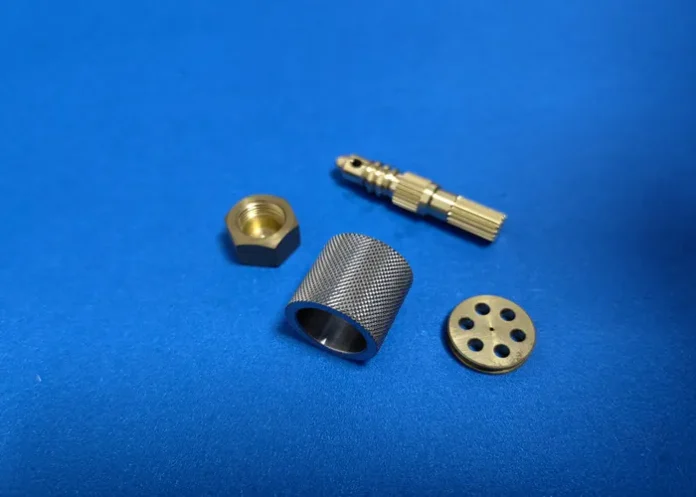
One of the machining approaches gaining wider adoption is Swiss-style turning. Unlike conventional lathes, Swiss machines support the workpiece close to the cutting area, which minimizes deflection and improves dimensional stability. This approach is particularly effective for small, intricate components that are often used in medical instruments, aerospace assemblies, and precision electronics.
Partnering with a skilled provider can make a significant difference in production outcomes. For instance, companies looking for a specialized machining service provider benefit from streamlined workflows, consistent quality, and access to highly trained engineers who understand the nuances of Swiss-style processes.
Moreover, such facilities are equipped to handle a wide range of materials, from stainless steel and titanium to specialized alloys. This versatility ensures that manufacturers can meet diverse design requirements without switching suppliers or compromising on quality.
In addition to technical capability, a well-organized machining facility is essential. their machining facility demonstrates how structured operations, quality control systems, and experienced teams contribute to the consistent production of high-performance components.
Industrial Applications of Machined Components
The impact of precision-machined components spans virtually every major industrial sector. In the medical field, implants and surgical instruments demand extremely tight tolerances and superior surface quality to ensure safety and performance. A single minor defect could have serious implications, highlighting the importance of reliable manufacturing processes.
In the automotive industry, particularly with the rise of electric vehicles, lightweight but durable components are essential. Precision machining ensures that parts like motor shafts, connectors, and thermal management elements meet stringent design and performance standards.
Aerospace applications similarly depend on high-strength, fatigue-resistant components. Precision machining allows manufacturers to produce parts that can withstand extreme conditions without compromising reliability or safety.
Even in telecommunications and data infrastructure, precision components play a critical role. Compact electronic assemblies require accurately fabricated metal parts to ensure proper alignment and performance.
Many of these parts are produced using techniques like Swiss-style turning or other CNC machining methods, with some manufacturers offering specialized solutions such as custom screw machine parts. This allows companies to streamline procurement while maintaining high-quality standards.
Selecting the Right Manufacturing Partner
Choosing the right machining partner is a strategic decision that affects both product quality and supply chain efficiency. The ideal partner is not defined solely by the equipment they own, but also by their engineering expertise, process control, and ability to scale production while maintaining quality.
Strong communication and collaborative design support are key differentiators. When a supplier can provide guidance on manufacturability, material selection, and process optimization, it reduces the likelihood of costly redesigns or production delays.
In industries where component precision is critical, a partner who can manage the full lifecycle—from prototyping and material testing to final production and inspection—adds significant value. Working with such a supplier ensures that design intent translates effectively into the final manufactured product.
Additionally, adaptability is essential. As products evolve, production requirements may shift. A capable machining partner can respond quickly to these changes without disrupting schedules or compromising tolerances, supporting ongoing innovation and product development.
Conclusion
The role of precision machining in modern manufacturing cannot be overstated. Advanced techniques like Swiss-style turning and multi-axis CNC machining provide the accuracy, consistency, and efficiency that today’s industries demand. By partnering with experienced machining providers, companies can not only meet current production requirements but also build resilient supply chains capable of supporting future innovation.
Precision, versatility, and reliable delivery are no longer optional—they are the foundation of competitiveness in a fast-moving industrial landscape. Investing in the right machining solutions and partners ensures that manufacturers can meet complex design challenges while maintaining quality, cost-effectiveness, and production agility.
