

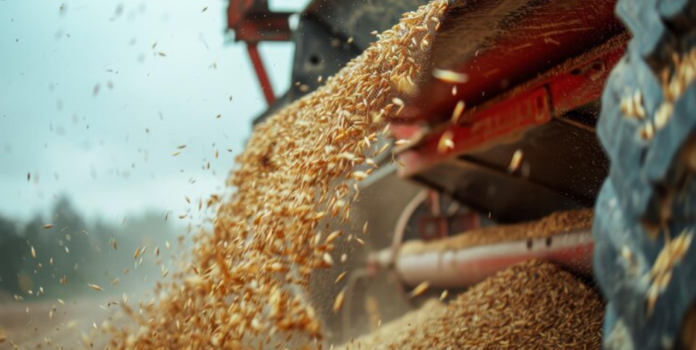
Choosing the right grain auger is an important decision for any farmer. A grain auger helps move grain quickly and safely from one place to another, making farm operations more efficient. Whether you are loading grain into storage bins, trucks, or processing equipment, the right equipment can save time, reduce labor, and prevent grain damage. With many options available in the market, it is important to understand which type of grain auger best fits your farming needs.
Understand Your Farm Size and Grain Volume
The first step in selecting the right grain auger is understanding the size of your farming operation. Small farms may only need a compact auger for light-duty work, while large farms usually require heavy-duty equipment that can handle large quantities of grain quickly.
You should think about how much grain you move during harvest season and how often the equipment will be used. If your farm handles large grain volumes every day, investing in a durable and high-capacity grain auger can improve productivity and reduce downtime. On the other hand, smaller farms can save money by choosing a simpler model that still meets their daily needs.
Consider the Type of Grain You Handle
Different grains have different handling requirements. Corn, wheat, soybeans, and other crops may vary in size, weight, and moisture content. Some grain auger models are designed specifically to handle delicate grains with minimal damage, while others are built for faster movement of heavier materials.
It is important to select equipment that works well with the crops you harvest most often. Using the wrong type of auger can lead to grain cracking, product loss, or lower efficiency. Farmers should always check the manufacturer’s recommendations to ensure the grain auger is suitable for their crop type.
Choose the Correct Auger Length and Diameter
The length and diameter of the auger play a major role in performance. Longer augers are useful for reaching tall storage bins or loading large trucks. However, longer equipment may require more power and space for operation.
The diameter affects how much grain can move through the system at one time. A larger diameter usually means higher capacity and faster unloading. Farmers should balance capacity with their available tractor power and storage setup. Choosing the proper size ensures smooth grain movement without putting unnecessary strain on the machinery.
Pay Attention to Power Source and Mobility
A grain auger can be powered in different ways, including electric motors, tractors, or hydraulic systems. The right choice depends on your farm setup and available resources. Farms with easy access to electricity may benefit from electric-powered systems because they are often quieter and easier to maintain.
Mobility is another important factor. Portable grain augers are useful for farms that need to move equipment between different fields or storage areas. Stationary models may work better for permanent grain handling systems. Considering how often the auger needs to be moved can help you select the most practical option.
Focus on Durability and Safety Features
Farm equipment is a long-term investment, so durability should never be ignored. A high-quality grain auger made from strong materials can handle demanding workloads and harsh weather conditions for many years. Galvanized steel and corrosion-resistant parts are especially useful for outdoor use.
Safety features are equally important. Modern augers often include protective shields, emergency shut-off systems, and safety guards to reduce accident risks. Choosing equipment with strong safety standards protects both workers and machinery during operation.
Compare Costs and Long-Term Value
Price is always an important consideration, but farmers should look beyond the initial purchase cost. A cheaper grain auger may require frequent repairs or offer lower performance over time. Investing in reliable equipment can reduce maintenance expenses and improve efficiency in the long run.
It is also helpful to compare warranty options, customer support, and spare part availability before making a final decision. Reliable service can make a significant difference when equipment issues occur during busy harvest seasons.
Conclusion
Selecting the right grain auger can greatly improve the efficiency and success of your farming operation. By considering factors such as farm size, grain type, auger dimensions, power source, durability, and overall value, farmers can choose equipment that meets their specific needs. A carefully selected grain auger not only saves time and labor but also helps protect grain quality and improve daily farm productivity.
