

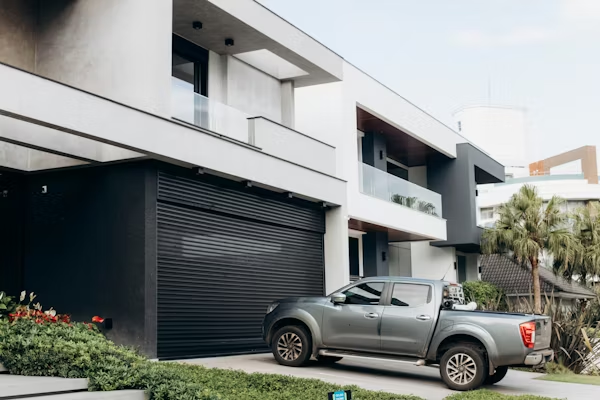
Our most important assets, whether physical, financial, or personal, require careful attention and maintenance to preserve their value and functionality over time. Neglecting these assets can lead to costly repairs, reduced lifespan, or permanent damage.
By taking proactive steps to care for your property and belongings, you ensure they continue to serve their purpose efficiently while protecting your investment. Two areas that often go overlooked, yet make a significant difference, are home windows and vehicles.
Maintain Your Home with Window Replacements
A home is one of the largest and most valuable assets most people own. Regular maintenance is key to protecting its value. This includes cleaning, inspecting for damage, and addressing issues such as leaks or drafts. One of the most critical aspects of home upkeep is ensuring windows are in good condition.
Damaged or inefficient windows can lead to energy loss, water intrusion, and even structural problems. Replacing old or broken windows not only improves insulation and reduces utility costs but also enhances safety, curb appeal, and overall property value. Proactive window maintenance and timely window replacements are essential to preserving your home as a long-term investment.
Take Care of Your Vehicle with Car Window Tinting
Vehicles are another major asset that require ongoing care. Routine servicing, oil changes, tire rotations, and brake inspections keep your car running smoothly and prevent expensive repairs. Beyond mechanical maintenance, protecting the exterior is equally important.
Car window tinting is a valuable investment that enhances privacy, reduces heat and glare, and protects the interior from harmful UV rays that can fade upholstery or damage electronics. Well-maintained windows, whether in your home or vehicle, play a vital role in preserving the integrity and longevity of your assets.
Protect Financial Assets
Financial assets, including savings, investments, and retirement accounts, also require careful management. Regularly reviewing your portfolio, adjusting for risk, and staying informed about market trends helps maximize returns while minimizing potential losses. Working with financial advisors can provide additional protection by ensuring strategies are tailored to your goals and circumstances.
Insure Your Assets
Insurance is a critical tool in protecting valuable property against unforeseen events. Homeowners, renters, and auto insurance policies provide coverage for damage, theft, or loss, while specialized insurance may be needed for high-value items such as jewelry, electronics, or collectibles.
Regularly reviewing and updating coverage ensures that policies reflect the current value of your assets and provide adequate protection in case of emergencies.
Practice Regular Maintenance
Routine maintenance is the foundation of asset protection. Whether it’s cleaning gutters, servicing heating systems, or rotating tires, small consistent actions prevent deterioration and extend the life of valuable items. Scheduled inspections and timely repairs minimize the risk of major failures and reduce long-term expenses.
Prioritize Safety and Security
Securing your assets against theft, damage, or accidents is another critical consideration. Installing reliable locks, security systems, and surveillance cameras, as well as maintaining a safe environment, protects both your home and personal belongings. Similarly, safe driving habits, proper storage, and vehicle security measures help protect automotive investments.
Plan for the Long Term
Thinking ahead is essential in asset management. Developing a maintenance schedule, budgeting for repairs, and preparing for emergencies ensures that assets remain functional and retain their value. Whether it involves replacing aging windows, applying car window tinting for protection, or safeguarding financial investments, forward planning reduces stress and prevents unnecessary losses.
Taking care of your most important assets involves a combination of proactive maintenance, protective measures, and long-term planning. From your home and vehicle to financial resources, regular attention and timely interventions ensure that your investments remain valuable, functional, and secure for years to come.
