

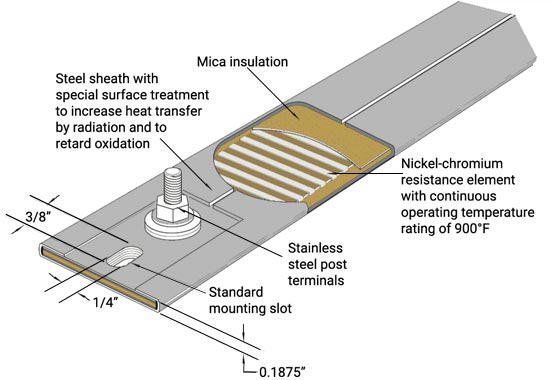
Factory equipment often depends on controlled heating to shape materials, maintain temperatures, or support production processes. Proper heater selection affects efficiency, equipment life, and product quality. Understanding the design features of strip heaters helps buyers select the right components for demanding environments.
Choosing the Right Watt Density for Your Heating Job
Watt density describes how much power an industrial heater produces within a specific surface area. Higher watt density allows heater elements to generate more heat quickly, which works well in applications where fast temperature response is necessary. Lower watt density spreads heat across a larger area and reduces surface temperature, helping prevent overheating on delicate materials. Application conditions often determine which watt density works best. Processes involving plastics, packaging equipment, or metal molds sometimes require careful balance between heating speed and material safety. Proper watt density selection ensures strip heaters deliver enough energy while protecting surrounding surfaces from excessive temperatures.
Understanding Sheath Materials and Where Each Works Best
Sheath materials protect heater elements from mechanical wear and environmental exposure. Stainless steel, steel, and aluminum sheaths each serve different purposes depending on operating conditions. Stainless steel typically resists corrosion and moisture, making it useful in humid or chemical environments.
Steel sheaths often appear in applications where durability and structural strength matter most. Aluminum versions distribute heat efficiently across wide surfaces because of their excellent thermal conductivity. Material selection plays a major role in how long strip heaters perform reliably within demanding industrial heater systems.
Matching Heater Length to the Surface That Needs Heat
Proper heater length helps ensure even temperature distribution across the equipment surface. Short heater elements placed too far apart may leave cooler zones between heating sections. Longer strip heaters often provide better coverage along molds, platens, or forming equipment.
Designers typically measure the exact surface area that requires heat before selecting heater dimensions. Balanced placement helps prevent hot spots or uneven heating across equipment. Matching heater length carefully allows industrial heater assemblies to maintain stable temperatures throughout the production process.
Voltage Options and How They Affect Heater Performance
Voltage selection influences both heating output and electrical efficiency. Lower voltage heater elements may require higher current to reach desired temperatures, while higher voltage systems distribute electrical load differently across the circuit.
Equipment designers often choose voltage levels that match available facility power supply. Proper voltage alignment helps strip heaters operate efficiently without stressing electrical components. Electrical compatibility between the heater and power source supports safe and dependable industrial heater performance.
Mounting Methods Used in Common Industrial Setups
Mounting methods affect how well strip heaters transfer heat into the surface being warmed. Common installation techniques include bolting the heater tightly against the equipment surface or placing the heater inside a channel designed to hold it securely.
Tight contact between heater elements and the heated surface improves thermal transfer. Air gaps between the heater and mounting surface can reduce heating efficiency significantly. Proper mounting design allows industrial heater systems to deliver consistent temperature control across machinery components.
How Terminal Styles Impact Wiring and Installation
Terminal design determines how electrical wiring connects to strip heaters. Some heaters include screw terminals, while others use lead wires or post-style connections. Terminal placement also affects how easily technicians can access connections during installation or maintenance.
Electrical layout inside machinery often guides the choice of terminal style. Compact installations may require terminals positioned at one end of the heater to simplify wiring. Well-designed connections help heater elements integrate smoothly into complex industrial heater assemblies.
Temperature Limits Different Strip Heaters Can Handle
Every heater design has a maximum operating temperature determined by its materials and internal components. Heater elements surrounded by stainless steel sheaths may tolerate higher temperatures than designs using lighter materials.
Operating beyond recommended limits can shorten heater life or damage surrounding equipment. Manufacturers typically publish temperature ratings that help engineers select the correct strip heaters for each application. Careful attention to these limits supports long-term reliability in industrial heater systems.
Where Strip Heaters Work Best in Factory Equipment
Strip heaters appear in many types of factory equipment that require controlled surface heating. Plastic processing machines, packaging equipment, and metal forming tools often rely on these compact heaters to maintain consistent temperatures.
Their slim design allows installation along flat surfaces or narrow channels where other heater types may not fit. Heater elements in strip form deliver steady heat across molds, tanks, or dies. Versatility makes strip heaters useful across many industrial heater applications that demand focused heating.
Key Safety Points to Review Before Placing an Order
Safety considerations should always guide heater selection and installation. Electrical ratings, insulation requirements, and proper grounding help protect equipment operators and surrounding machinery.
Environmental conditions also influence safety planning. High humidity, dust, or chemical exposure may require special sheath materials or protective enclosures. Reviewing these factors before purchasing strip heaters helps ensure heater elements operate safely within an industrial heater environment.
Thermal Corporation manufactures heating solutions designed for demanding industrial applications. Their product range includes durable strip heaters and specialized heater elements built to deliver consistent performance across manufacturing equipment. Engineering teams seeking dependable industrial heater components often rely on experienced manufacturers for guidance during the selection process. Equipment designers working with knowledgeable suppliers can choose heating systems that match their performance, durability, and safety requirements.
