

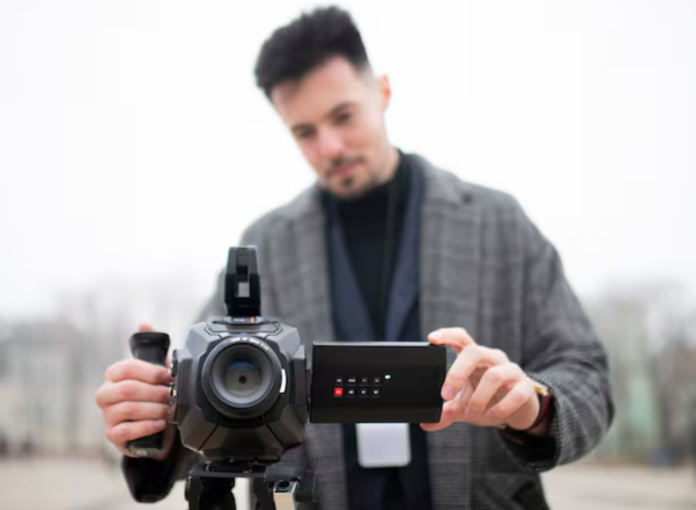
In the rapidly evolving landscape of high-end cinematography, selecting a flagship system is one of the most significant decisions a production team can make.
The Sony Venice camera has solidified its reputation as a powerhouse in the industry, having been used to capture major motion pictures and premium streaming series.
However, acquiring or renting such a sophisticated tool requires a deep understanding of its technical capabilities and how they align with your creative vision.
Before committing to this system, filmmakers must evaluate several critical factors to ensure the equipment maximizes their storytelling potential.
Sensor Resolution and Interchangeability
One of the most compelling reasons to choose the sony venice camera is the flexibility of its sensor. The latest iterations offer a stunning 8.6K full-frame CMOS sensor, providing incredible detail and room for reframing in post-production.
A unique advantage of this system is its interchangeable sensor block. This modular design allows users to swap between the 8.6K and 6K sensors or even upgrade as technology advances without replacing the entire camera body.
This feature ensures that your investment remains relevant as delivery standards shift toward higher resolutions.
Dual Base ISO and Low-Light Performance
Lighting conditions on a film set are rarely constant. The Sony Venice camera excels in diverse environments thanks to its dual base ISO technology. With native settings typically at ISO 800 and ISO 3200, the camera maintains an impressive 16 stops of dynamic range across both levels.
This allows cinematographers to capture clean, noise-free images in searing sunlight or near-total darkness. For independent productions with smaller lighting budgets, the ability to shoot at a high base ISO without sacrificing image texture is a game-changer.
Internal ND Filter Mechanism
Speed and efficiency are vital for maintaining the flow of a film set. This camera features a world-class, 8-stop mechanical ND filter system built directly into the chassis. This allows the camera assistant to dial in the perfect exposure in increments without needing to mount external glass filters.
Not only does this save time during lens changes, but it also reduces the weight and complexity of the camera rig, which is especially beneficial when using the Sony Venice camera on drones, gimbals, or cranes.
Advanced Color Science and Skin Tones
Digital cameras are often criticized for looking too clinical, but Sony’s CineAlta color science has addressed this by prioritizing natural, organic skin tones. The camera’s ability to exceed the Rec. 2020 color space ensures that every hue is captured with film-like subtlety.
This soft aesthetic makes it a favorite for narrative projects where the emotional impact of a performance relies on the accurate and pleasing reproduction of the human face.
The Rialto Extension System
For filmmakers who require extreme mobility, this system offers the Rialto extension unit. This allows the sensor block to be separated from the camera body by up to 18 feet.
By moving the heavy processing unit away from the lens, the camera becomes ultra-compact, enabling shots in tight spaces like car interiors or specialized helmet rigs.
This versatility opens up creative angles that were previously impossible with traditional large-format cinema cameras.
